brigite’s
hospitality
Building a distinct brand identity for a new restaurant on Leblon's most established dining street, where character, atmosphere and experience are made to read as one.
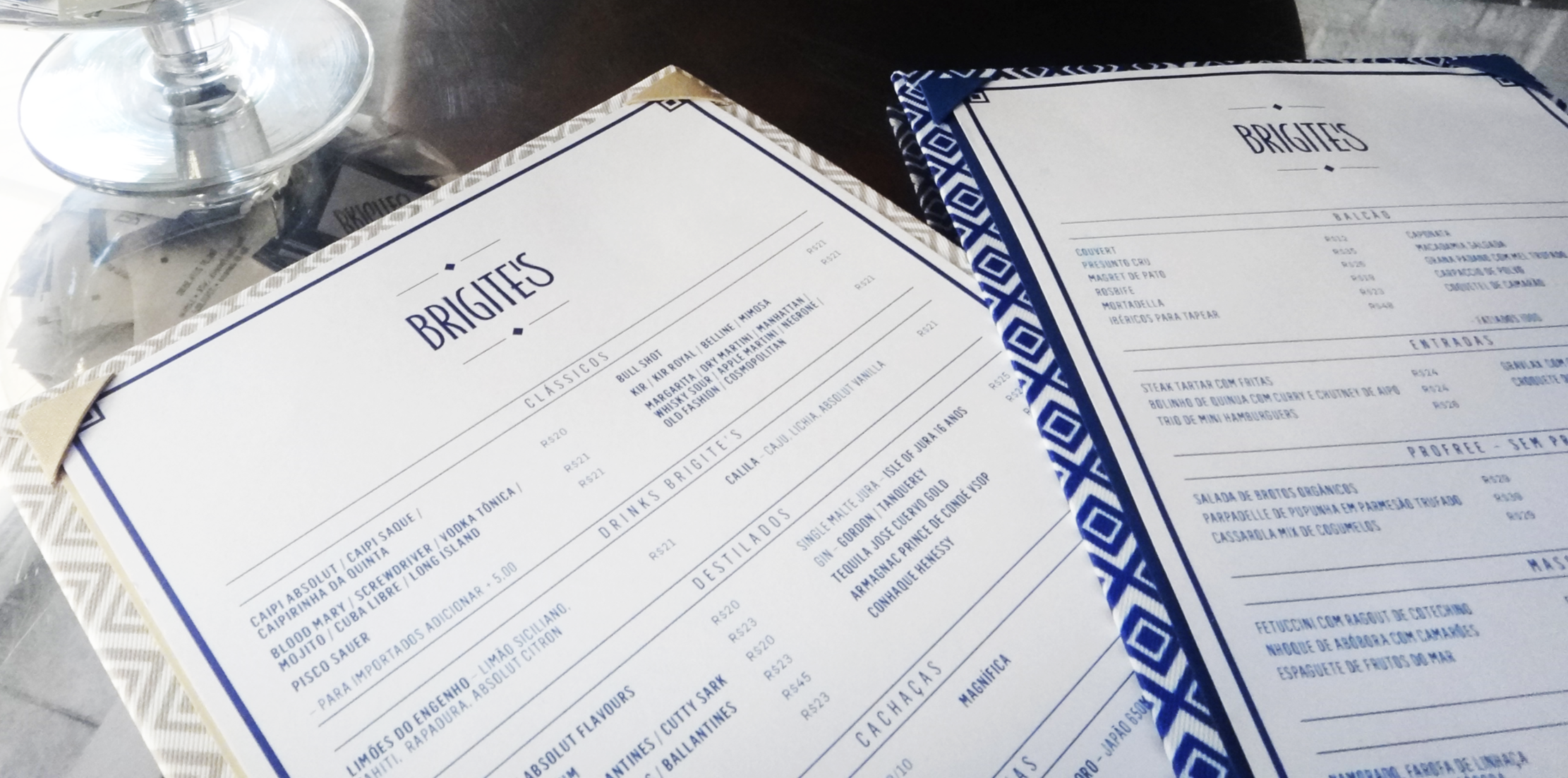
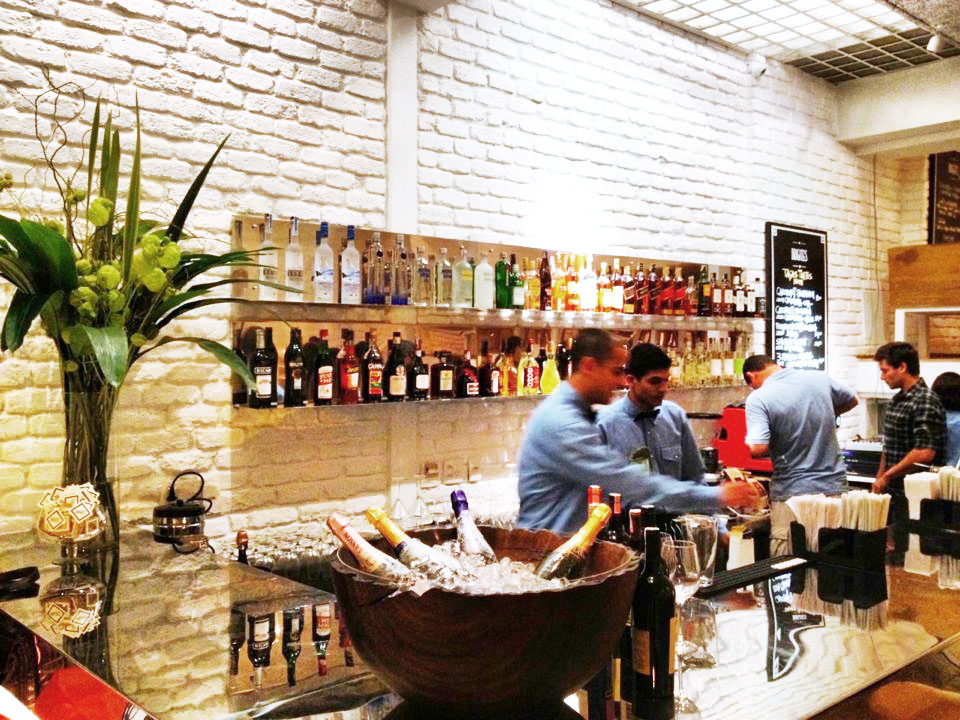
Brigite's opened on Rua Dias Ferreira in Leblon, the corridor that concentrates Rio de Janeiro's (Brazil) most sought-after restaurants and the address the city's dining scene measures itself against. It arrived under the same ownership as Sushi Leblon and Zuka, both restaurants with its own long-standing reputation and celebrity following. The work included full brand development, creating the identity, the visual system and the communication materials that would let a new name hold a consistent, recognizable presence from its first day.
The Diagnosis
The brief was to open with a strong identity. The real problem was the street itself. On Dias Ferreira, quality is not a differentiator, it is the price of entry. Every room is beautiful, every kitchen is serious, every brand is polished. A new restaurant that leads with atmosphere alone arrives already interchangeable, indistinguishable from the address rather than distinct within it, and dependent on opening-week attention that fades.
Brigite's carried a second, quieter risk. Opening under the same ownership as an established name is usually treated as an advantage, and it can quietly cost a new brand its own identity. Lean on the sibling's equity and Brigite's would read as an extension of something else. Ignore the relationship and it would forfeit the credibility the group had already earned. The brand had to stand entirely on its own character while belonging, without contradiction, to the house behind it.
Beneath both sat the load-bearing problem of any origination on a street like this. There was no structure yet. Atmosphere without structure does not survive contact with reality: it cannot hold its standard across a menu, a façade, a social feed and a reservation confirmation, and it cannot be recognized twice. The work was not to decorate an opening. It was to give a character enough architecture to become a brand.
The Intervention
LLB built Brigite's identity as a system, not a look. The starting point was to define the character the brand would be recognized by, a specific personality with atmosphere, warmth and a point of view, and then to encode that character into every element so it held wherever the brand appeared.
From that center came the visual system and the full set of communication materials, each governed by the same organizing idea rather than assembled piece by piece. The value of a system over a set of assets is that it makes coherence repeatable: the identity reads as itself across surfaces that different hands will produce over time, and a new name earns recognition through consistency rather than through the noise of its launch. The relationship to the group was handled as architecture, not accident, giving Brigite's a presence that stands independently while sitting credibly within the house behind it.
The Result
Brigite's opened with a brand that reads as itself. Its identity is distinct on a street where distinctiveness is the hardest thing to achieve, and it holds that character consistently across every touchpoint rather than dissolving into the polish around it. The system gives the restaurant something a mood cannot: a recognizable presence that survives past the opening and a standard the brand can hold, and defend, as it grows.
It also settled the question of the group. Brigite's stands on its own character while belonging to the same house as Sushi Leblon, borrowing nothing and contradicting nothing. The brand can now be extended by other hands without losing what it is, which is the real test of whether an identity was designed as a system or merely styled as an opening.
The Principle
On a street where everyone is beautiful, atmosphere is not a differentiator, it is the baseline. What separates a new restaurant from the address it sits on is not a better mood but a structure: a defined character, encoded into a system, that can be recognized twice and held over time. Design shapes the perception. Structure is what sustains it.